Tracing Provider Alliances to Addiction Safeguards in Swiss-Regulated Bonus Ecosystems
Hugo Lang · Aug 24, 2026
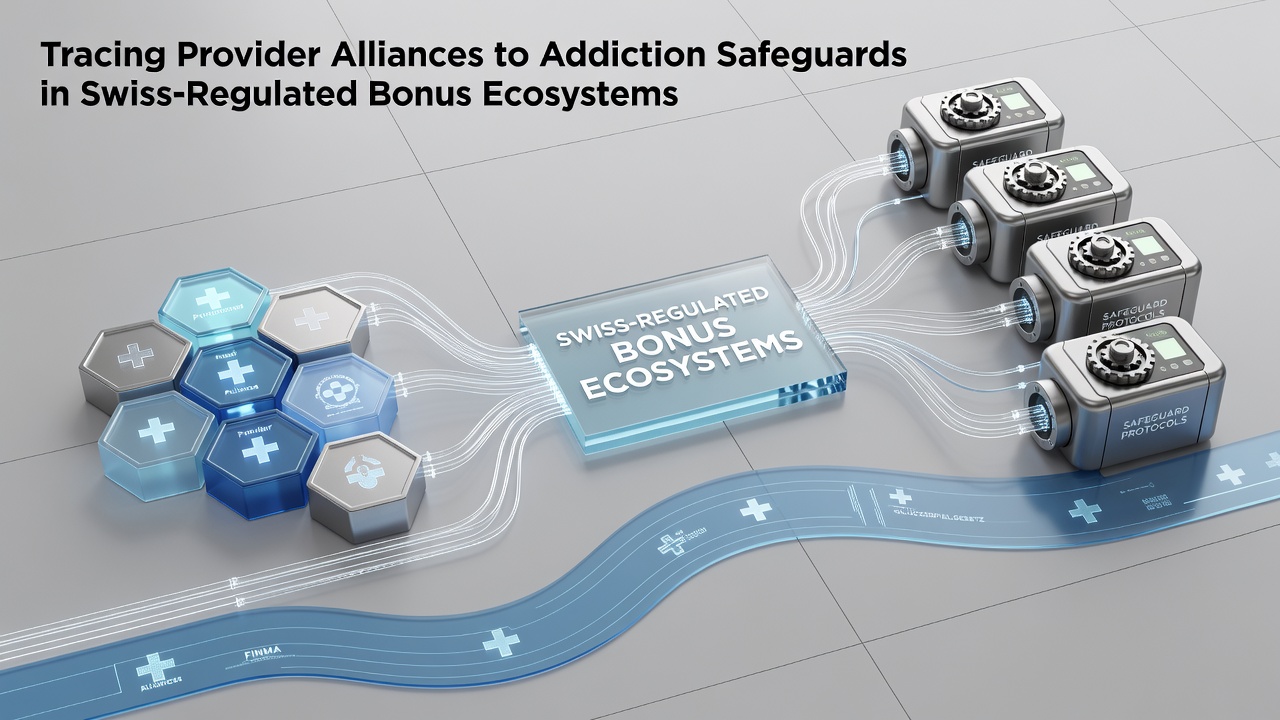
Tracing Provider Alliances to Addiction Safeguards in Swiss-Regulated Bonus Ecosystems
Swiss online casino platforms operate under strict federal oversight that shapes how game providers form alliances and how those partnerships feed into bonus structures, while addiction safeguards remain embedded at every stage. Data from the Federal Office of Justice shows that licensed operators must integrate responsible gambling tools directly into promotional mechanics, which means provider agreements often include clauses on spending limits and self-exclusion triggers before any bonus reaches a player account.
Provider Partnerships and Regulatory Anchors
Game suppliers such as Evolution Gaming and Playtech maintain formal alliances with Swiss-licensed casinos through contracts that reference the Money Games Act and its implementing ordinances. These agreements specify that bonus ecosystems must route player data through centralized monitoring systems managed by the Federal Gaming Board, ensuring that deposit matches and free spins activate only after identity verification and risk profiling complete. Observers note that this setup creates traceable pathways from supplier content to player protection flags, particularly when progressive jackpot networks cross multiple sites.
In practice, a provider alliance begins with technical integration requirements that include API hooks for real-time limit checks. August 2026 marks the scheduled rollout of enhanced data-sharing protocols between operators and the national addiction prevention database, which will require suppliers to update their bonus engines accordingly. Figures from the Swiss Federal Office of Public Health indicate that early compliance testing already links provider software updates to reduced instances of repeated bonus claims among flagged accounts.
Bonus Structures Tied to Protection Layers
No-deposit offers and reload bonuses in the Swiss market carry mandatory wagering caps that align with individual player risk scores generated by the operator's internal algorithms. Researchers at the University of Zurich documented how these caps connect directly to supplier-defined game volatility settings, so high-volatility slots from partnered providers trigger tighter deposit safeguards than lower-volatility table games. The result appears in transaction logs where bonus eligibility pauses automatically once cumulative stakes approach predefined thresholds.
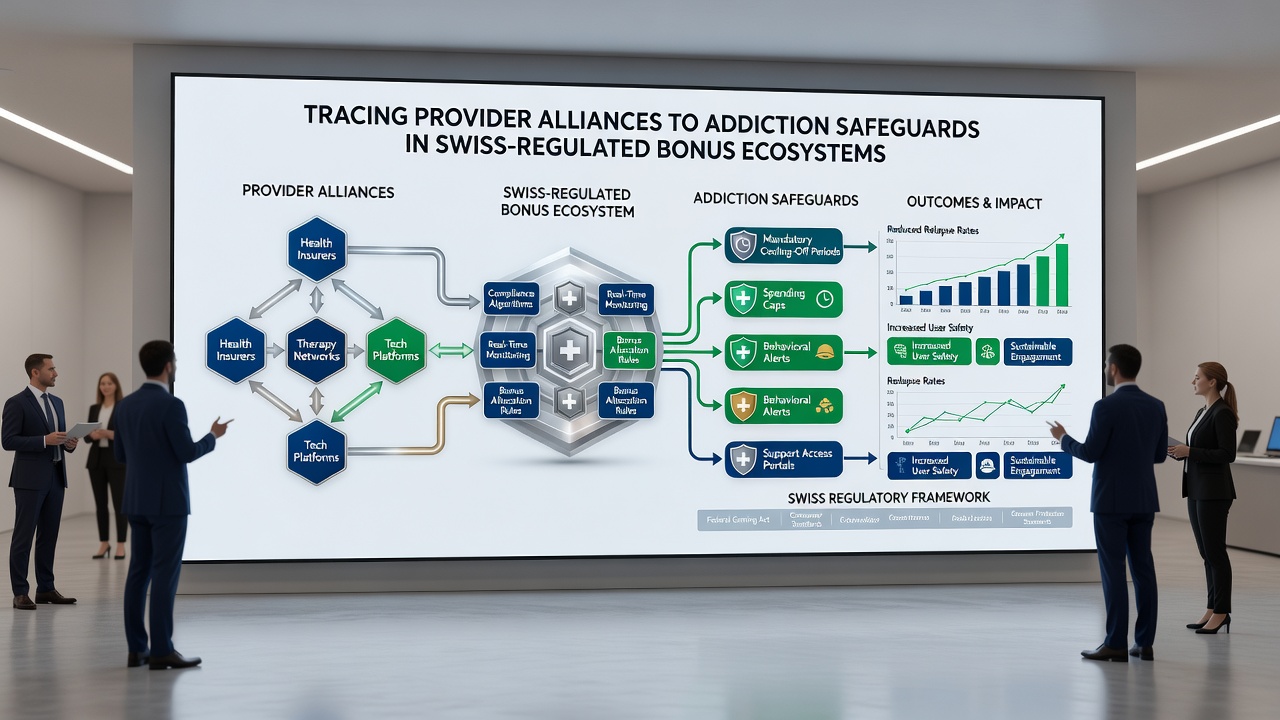
Those who study these systems find that provider alliances often embed responsible gambling modules at the content level. For instance, certain live dealer studios supply games pre-configured with session timers that sync with the casino's loyalty system, preventing bonus accumulation beyond daily or weekly safe-play envelopes. Australian Institute of Family Studies reports on similar cross-jurisdictional models highlight parallel mechanisms that Swiss regulators adapted after reviewing international best practices.
Data Flows and Safeguard Activation
Every bonus activation in a regulated Swiss ecosystem generates an audit trail that regulators can query through the ESBK portal. Provider alliances supply the raw gameplay data that feeds these trails, allowing the system to correlate bonus uptake patterns with self-exclusion requests filed through the national helpline. Evidence from the Swiss Casino Association shows that this correlation has prompted several suppliers to adjust their jackpot contribution rates downward for players who have activated voluntary deposit limits.
What's notable is how these connections operate without interrupting the player experience until a safeguard threshold is crossed. A player who accepts a provider-sponsored free spin package may continue normally until the linked monitoring tool detects repeated high-stake patterns, at which point the bonus balance converts to restricted play mode. Canadian Centre on Substance Use and Addiction analyses of comparable systems confirm that such graduated responses maintain engagement while reducing escalation risks.
Future Developments Scheduled for 2026
Regulatory updates planned for August 2026 will expand the scope of provider alliance audits to include predictive modeling of bonus-related harm indicators. Suppliers must then demonstrate that their content libraries incorporate dynamic difficulty adjustments when player behavior data signals elevated risk. The Federal Gaming Board has already circulated draft guidelines requiring these adjustments to activate within the same gaming session rather than after daily resets.
Industry reports indicate that several major providers are testing these features in Swiss test environments, focusing on seamless integration with existing bonus engines. This approach keeps the ecosystem responsive while maintaining full traceability from alliance agreements through to player protection outcomes.
Conclusion
Swiss-regulated bonus ecosystems demonstrate clear linkages between provider alliances, promotional mechanics, and addiction safeguards through mandated data protocols and compliance checkpoints. These structures rely on continuous information exchange that regulators monitor, with upcoming 2026 enhancements set to deepen the integration of predictive tools. The framework ensures that alliances between game suppliers and operators remain accountable to federal standards designed to limit harm while preserving platform functionality.