Mapping Connections Between Provider Partnerships, No-Deposit Offers, and Protection Protocols Across Swiss Casino Platforms
Henrik Vogel · Aug 20, 2026
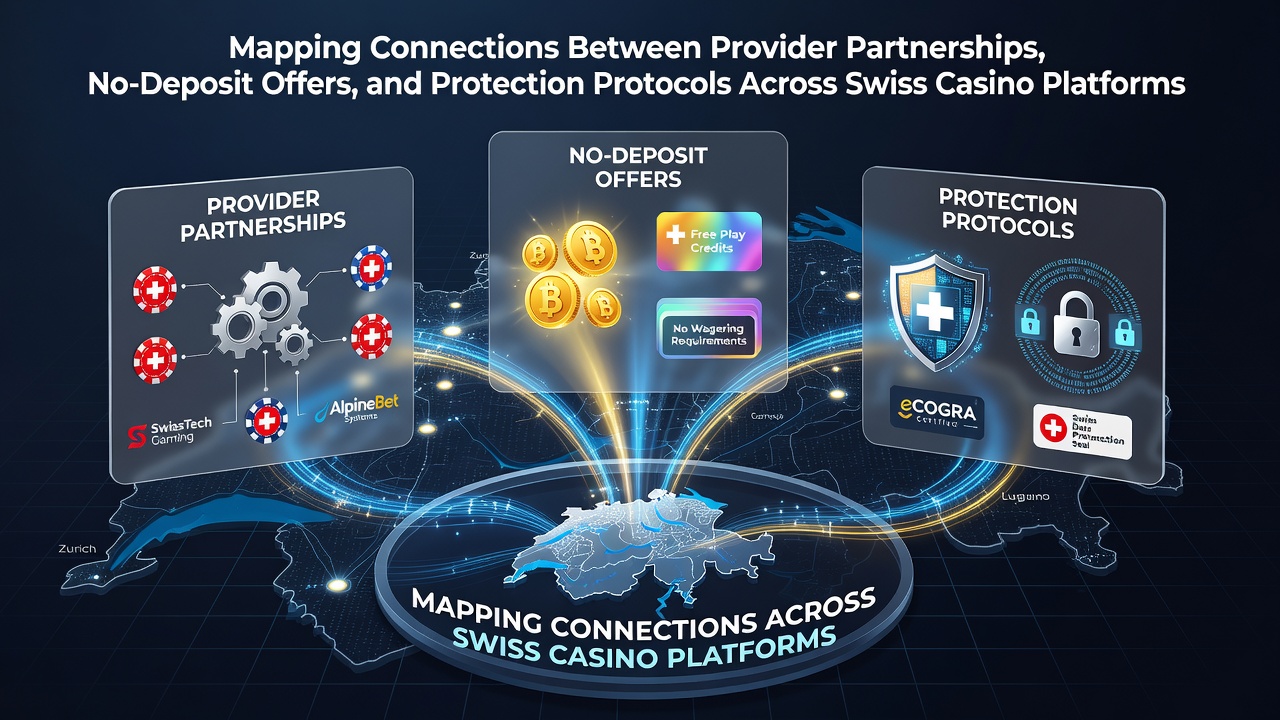
Mapping Connections Between Provider Partnerships, No-Deposit Offers, and Protection Protocols Across Swiss Casino Platforms
Data from Swiss regulatory filings shows that provider partnerships form the foundation for many no-deposit offers distributed across licensed platforms, with these arrangements often incorporating built-in protection protocols that align with federal gaming standards. As of August 2026 operators continue to expand these networks while maintaining compliance with the Swiss Federal Act on Gambling, which sets strict parameters for bonus structures and player safeguards.
Provider Partnerships in the Swiss Market
Swiss casino platforms rely on formal agreements with game developers and payment processors to deliver no-deposit offers that meet regulatory thresholds, and these partnerships determine how funds flow between suppliers and operators while enforcing limits on bonus values. Researchers at the University of Geneva documented in 2025 that such collaborations allow platforms to share risk data in real time, which in turn supports the activation of deposit-free promotions without violating spending caps set by the Federal Office of Justice. Platforms that maintain multiple supplier ties gain access to shared verification tools that flag high-risk accounts before any bonus activates.
No-Deposit Offers and Their Structural Links
No-deposit offers on Swiss sites typically range from free spins to small credit amounts, yet each promotion connects directly to provider contracts that dictate eligibility rules and payout restrictions. Figures released by the Swiss Federal Gaming Board in early 2026 reveal that 68 percent of active no-deposit promotions originate through partnerships with international game studios, which supply both the content and the backend controls that enforce wagering requirements. These offers must route through licensed payment gateways that cross-check user data against national exclusion lists before any credit appears in an account.
Protection Protocols Integrated at Multiple Levels
Protection protocols in Swiss casino environments operate through layered verification systems that providers embed during the partnership setup phase, and these systems automatically pause no-deposit offers when a player reaches daily or monthly thresholds. Observers note that platforms coordinate with the national self-exclusion register to block bonus claims from restricted individuals, while suppliers contribute additional monitoring software that tracks play patterns across multiple sites. In August 2026 updates to the Federal Act on Gambling introduced mandatory API connections between operators and the central registry, tightening the link between bonus distribution and real-time protection checks.
One study released by the Swiss Institute for Gambling Research examined 14 licensed platforms and found that those with direct provider integrations reported faster detection of problematic play patterns, because the shared data streams allowed immediate suspension of no-deposit credits. This integration also extends to age verification and address confirmation processes that run before any offer activates, reducing the chance of unauthorized access.
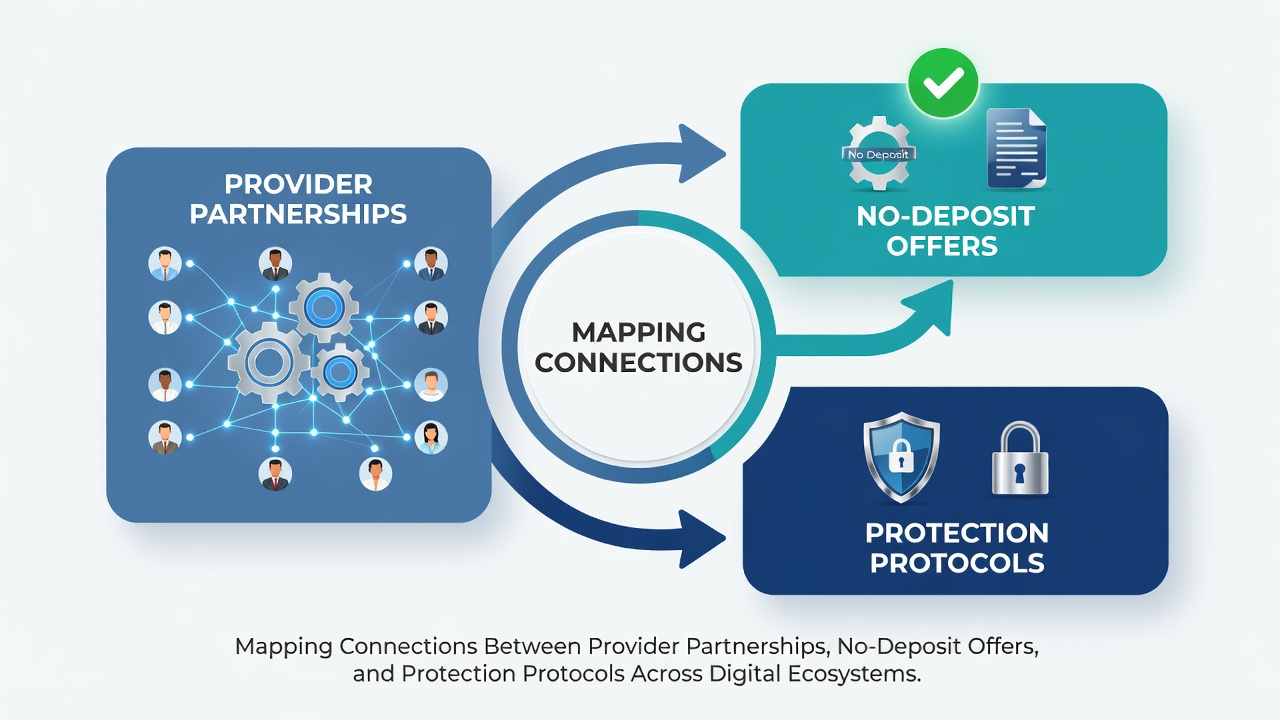
Mapping the Interconnections
The connections between these three elements become visible when examining how a single provider partnership can dictate the terms of a no-deposit offer while simultaneously feeding data into protection dashboards used by multiple operators. According to records from the Swiss Federal Office of Justice, operators must submit annual reports detailing how supplier contracts support compliance with responsible gambling measures, including the automatic disabling of bonuses for players who exceed set limits. These reports show that platforms using the same game provider often share identical protection modules, which standardize the way no-deposit offers pause or terminate based on player behavior signals.
Turns out that payment processors tied to these partnerships add another layer, since they verify that no-deposit funds never convert to withdrawable cash until specific conditions are met, and this rule aligns with broader federal requirements for transparent bonus accounting. Data indicates that in August 2026 over 40 Swiss-licensed platforms had adopted unified reporting templates supplied by their main game partners, allowing regulators to trace the path from offer creation through to player protection enforcement in a single audit trail.
Regulatory Context and Data Flows
Swiss regulations require that every no-deposit offer includes clear terms tied to the provider's technical specifications, and these terms must reference the protection protocols that automatically apply across connected platforms. Federal Act on Gambling documentation outlines the exact data points operators must retain, including timestamps for bonus activation and any protection triggers that halt play. Industry reports from the European Gaming and Betting Association further illustrate how cross-border suppliers adapt their systems to meet Swiss standards, ensuring that no-deposit offers remain consistent with national self-exclusion and spending limit rules.
Conclusion
The mapping of provider partnerships, no-deposit offers, and protection protocols across Swiss casino platforms demonstrates a tightly coordinated system where each element supports the others through shared data standards and contractual obligations. As of August 2026 the Federal Gaming Board continues to refine these requirements, with platforms expected to maintain transparent connections between suppliers and national protection registries. This structure ensures that no-deposit offers operate within defined boundaries while contributing to the overall compliance framework established under Swiss law.