Legal Alerts on Entry Pages: Guiding Casino Software Ties, Privacy Controls, and Harm Prevention Features Across Swiss Gambling Sites
Dana Braun · Nov 4, 2026
Legal Alerts on Entry Pages: Guiding Casino Software Ties, Privacy Controls, and Harm Prevention Features Across Swiss Gambling Sites
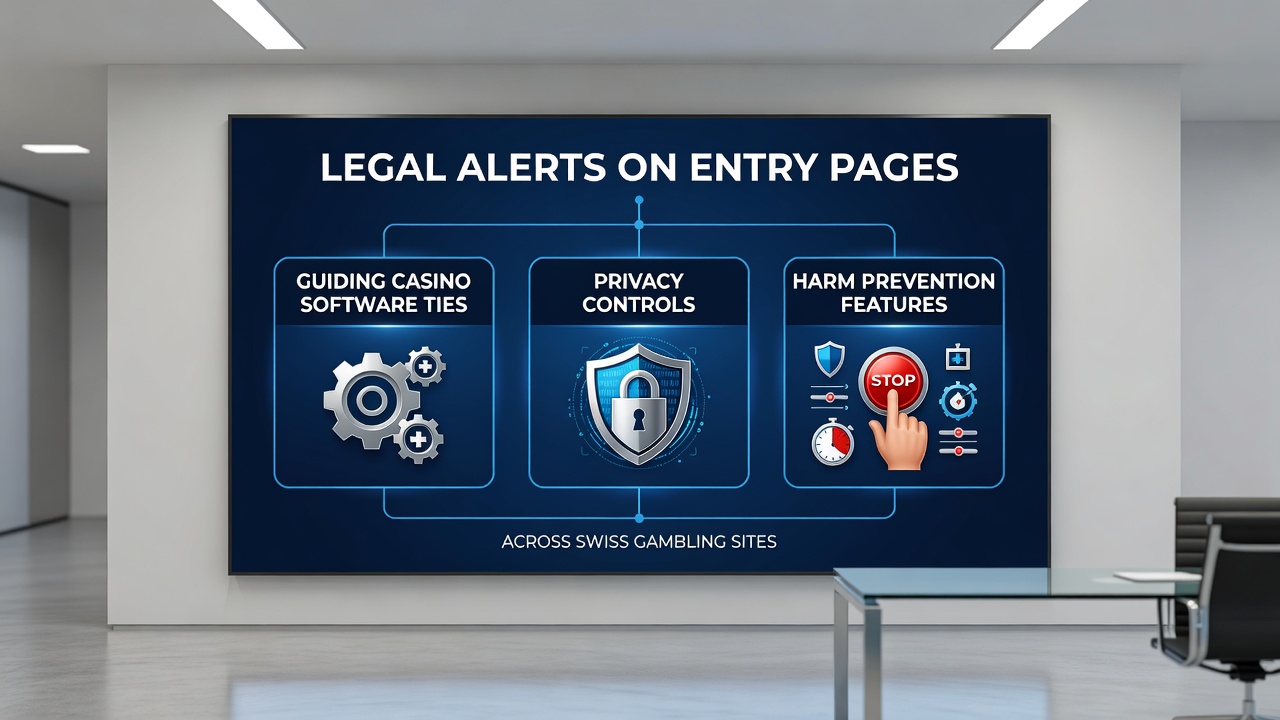
Swiss gambling platforms present legal alerts directly on entry pages to outline software partnerships, data handling practices, and player protection mechanisms before users proceed further. These notices appear as users first access regulated sites and they detail the specific game suppliers integrated into the platform while directing attention to privacy frameworks and harm reduction options. Observers note that such alerts emerged as standard practice following updates to the Federal Act on Gambling, with platforms required to display them prominently to maintain compliance across all licensed operations.
Role of Entry Page Alerts in Software Provider Connections
Entry page alerts frequently list the casino software providers that power game libraries and transaction systems on Swiss sites. Researchers have documented how these disclosures connect directly to licensing agreements that tie operators to approved suppliers such as those certified under Swiss regulatory standards. Data from industry reports shows that platforms must identify these ties upfront so visitors understand which companies handle game mechanics and payment processing. This transparency extends to cases where multiple providers collaborate on a single site, with alerts specifying the exact partnerships active as of late 2026.
Alerts also reference how software integrations affect bonus structures and game availability. One study revealed that platforms using alerts in this manner experienced clearer user pathways to no-deposit offers tied to specific providers, reducing confusion during initial visits. Experts have observed that these notices help maintain separation between promotional content and core compliance information, allowing visitors to review provider credentials without navigating deeper into menus.
Privacy Controls Highlighted Through Legal Notices
Privacy sections within entry page alerts outline data collection methods, storage durations, and user rights under Swiss data protection laws. Platforms include details on how personal information flows between operators and software partners, including encryption standards applied during transfers. Figures from regulatory summaries indicate that alerts updated in November 2026 incorporated expanded references to cross-border data handling when providers operate internationally while remaining compliant with Swiss jurisdiction.
Those reviewing these notices often find explicit statements about cookie usage and tracking tools that support both marketing and security functions. Research indicates platforms embed links to full privacy policies within the alerts themselves, creating direct routes for users seeking granular control over their data. This approach aligns with requirements that emerged from federal guidelines emphasizing informed consent at the point of entry rather than after account creation.
Harm Prevention Features Integrated Into Alerts
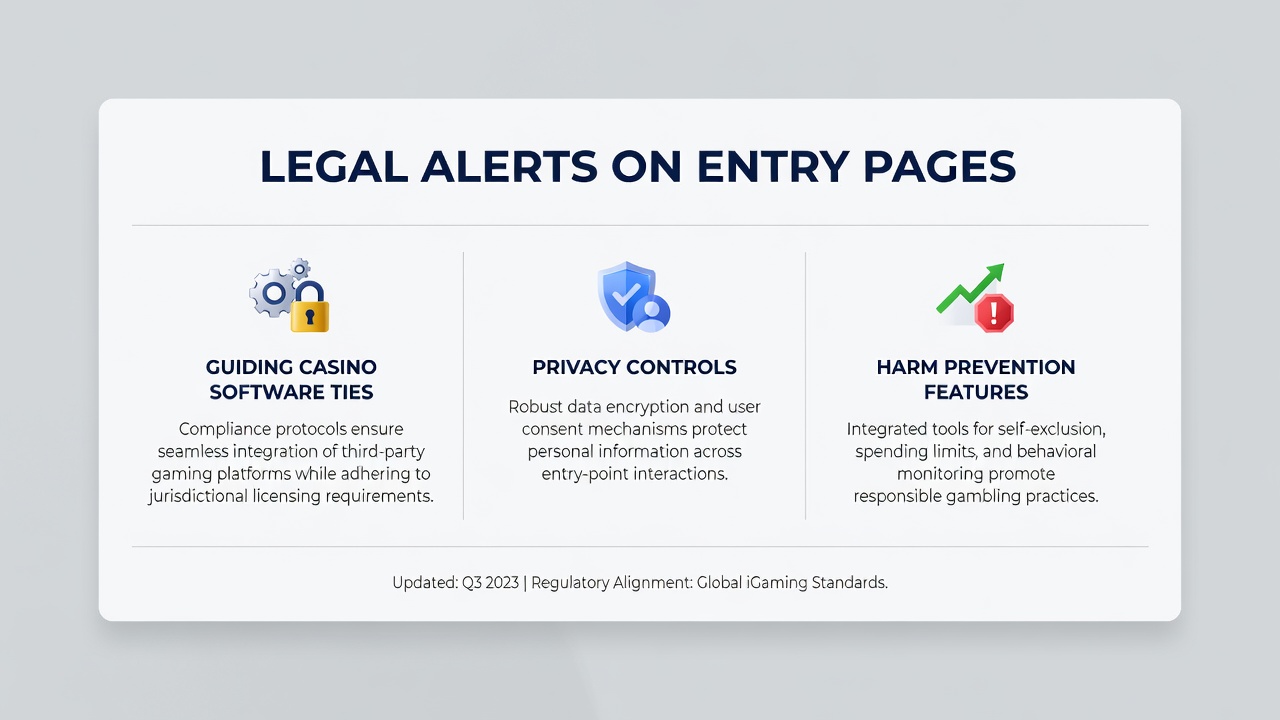
Legal alerts on Swiss gambling entry pages routinely direct attention to tools designed to limit potential harm, such as deposit caps, session timers, and self-exclusion registers. These elements appear alongside software and privacy details to present a complete compliance picture before gameplay begins. According to records from the Swiss Federal Office of Justice, platforms must reference these features explicitly in entry notices to meet obligations under current gambling legislation.
Alerts sometimes include quick-access buttons or links that activate protection settings immediately, bypassing the need to create an account first. Data shows that sites incorporating such immediate options saw higher engagement with voluntary limits during the period leading into November 2026. Observers note that providers listed in the alerts often supply the backend systems that enforce these controls, creating a direct link between software partnerships and harm reduction infrastructure.
Case examples from regulated platforms demonstrate how alerts reference national helplines and support networks alongside technical features. This placement ensures visitors encounter protection resources at the same moment they review provider information and privacy terms, reinforcing the interconnected nature of these elements across Swiss operations.
Regulatory Context and Platform Implementation
Swiss authorities require entry page alerts to reflect active licenses and any changes in software affiliations or protection protocols. Platforms update these notices periodically to match evolving partnerships, with many revisions recorded around regulatory review cycles in 2026. Evidence from compliance audits indicates that consistent alert formatting helps users compare offerings across different licensed sites without encountering conflicting information.
Alerts also cover age verification processes and geographic restrictions that apply to Swiss residents, tying these rules to the same software systems that manage game delivery and data security. Researchers discovered that integrated alerts reduce the steps needed for users to confirm a platform meets federal standards before engaging further.
Conclusion
Entry page legal alerts on Swiss gambling sites serve as central hubs that connect software provider details, privacy mechanisms, and harm prevention resources into one initial view. These notices continue to evolve with regulatory expectations, incorporating updates that reflect new provider alliances and enhanced protection tools through November 2026 and beyond. Platforms maintain factual alignment between alert content and backend operations to support compliance across the regulated market.