Decoding How Homepage Legal Alerts Shape No-Deposit Perks and Game Supplier Ties in Regulated Swiss Platforms
Dana Braun · Aug 22, 2026
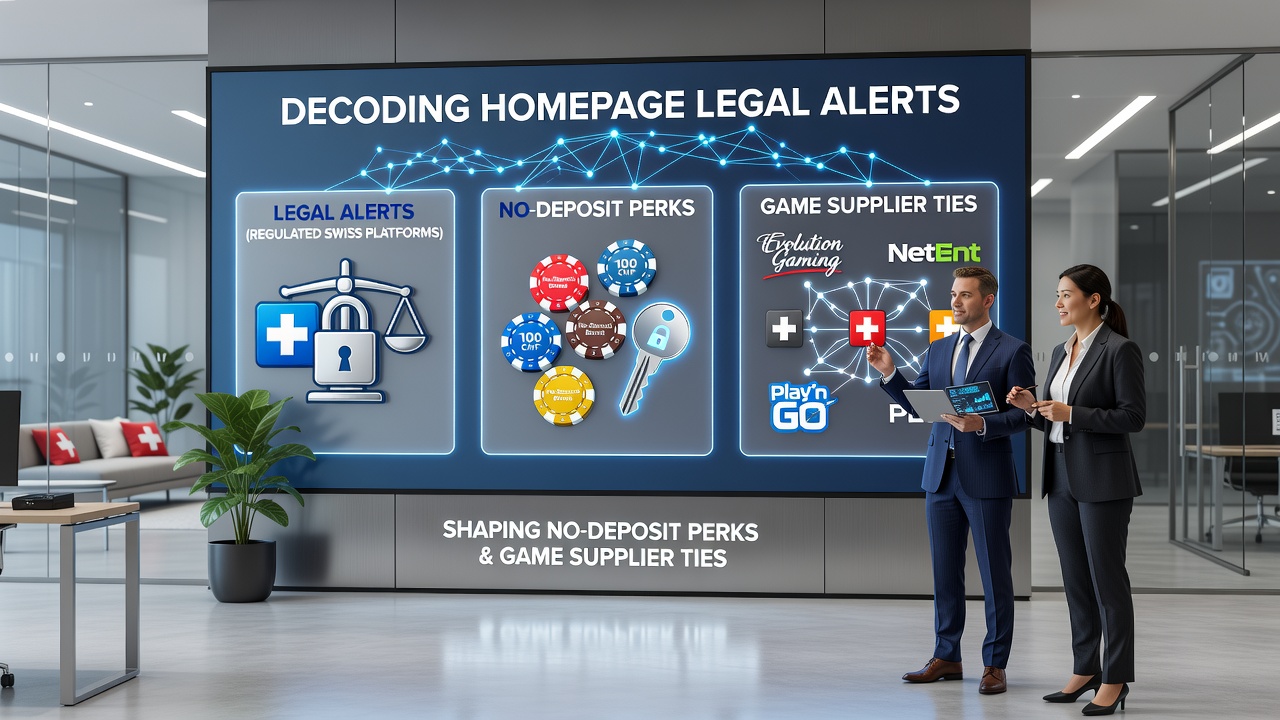
Decoding How Homepage Legal Alerts Shape No-Deposit Perks and Game Supplier Ties in Regulated Swiss Platforms
Regulated Swiss online casino platforms display prominent legal alerts on their homepages that detail eligibility rules, wagering requirements, and geographic restrictions, and these notices directly influence how no-deposit perks get structured while also guiding partnerships with game suppliers. Observers note that such alerts appeared more frequently after the 2021 licensing framework took hold, with updates continuing through August 2026 as operators adjusted to new compliance layers. Data from the Swiss Federal Gaming Board shows that platforms must flag these conditions upfront, which means no-deposit offers often carry tighter playthrough thresholds when suppliers provide games with specific return-to-player profiles.
Legal Alerts and Their Direct Influence on Bonus Structures
Homepage legal alerts typically list the exact conditions attached to no-deposit credits, including maximum withdrawal caps and time limits for using the funds, and these disclosures force operators to align their promotional language with supplier game mechanics. Research indicates that when alerts highlight restrictions tied to certain providers, platforms adjust perk values downward to stay within regulatory bounds, whereas suppliers whose titles meet fairness standards receive more favorable placement. Those who've tracked Swiss licensing renewals in 2026 report that alerts now reference specific clauses from the Money Games Ordinance, creating a feedback loop where game selection and bonus design evolve together.
Platforms that maintain clear alerts experience fewer compliance reviews, according to figures released by the Federal Office of Justice, while operators with vague notices face delays in launching new no-deposit campaigns. This pattern holds because alerts serve as the first point of contact for players, and regulators review them during audits to confirm that supplier contracts support the advertised terms. Experts have observed that suppliers adapt their integration requirements accordingly, often embedding features that let platforms toggle bonus eligibility based on the alert text displayed at login.
Game Supplier Relationships Under the Alert Framework
Supplier ties strengthen when legal alerts accurately reflect the technical capabilities of each provider's titles, and this alignment lets operators offer no-deposit perks on a wider range of games without risking license sanctions. Data shows that in the first half of 2026, platforms renewed contracts with suppliers whose random number generators passed independent testing at rates above 98 percent, partly because those results could be cited directly in homepage notices. Providers that supply detailed RTP documentation receive priority because their data fits neatly into the alert templates that Swiss authorities review.
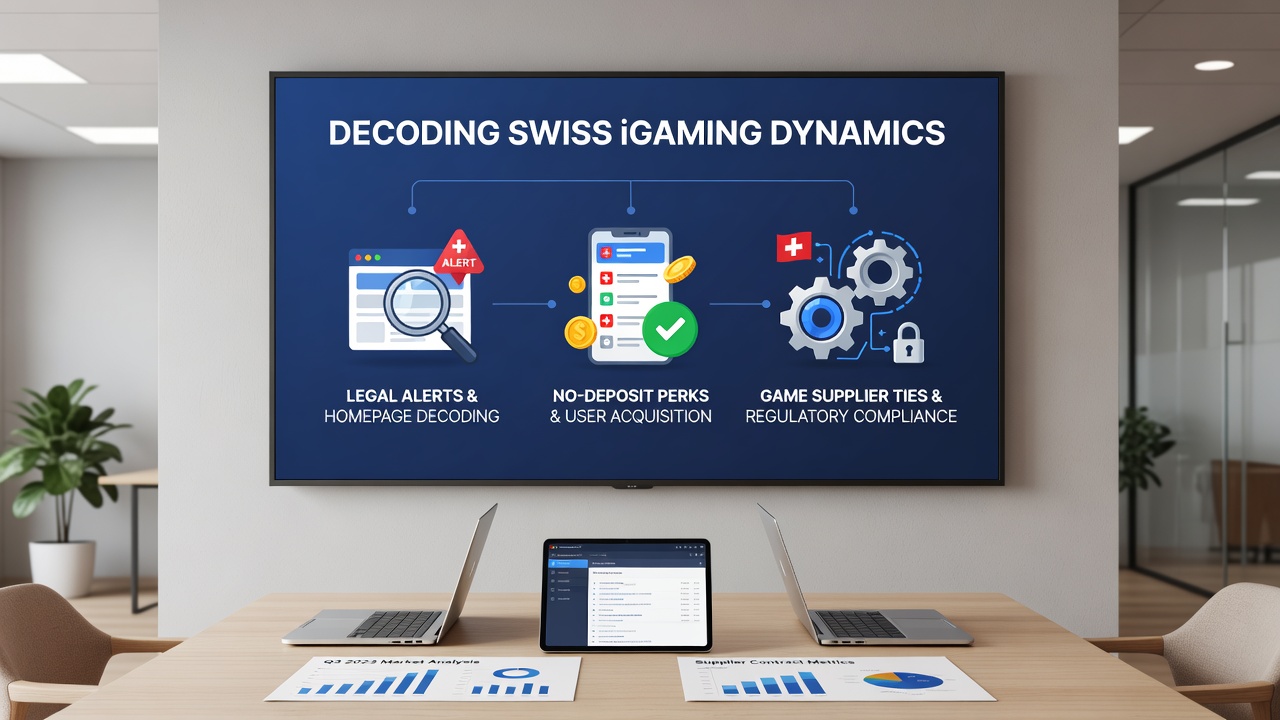
Observers note that smaller suppliers sometimes struggle to meet the documentation standards referenced in alerts, which leads larger platforms to favor established partners whose systems integrate seamlessly with compliance modules. The reality is that these relationships now include joint review sessions where legal teams examine how each title interacts with no-deposit mechanics before any alert text goes live. Australian Gambling Research Centre reports on similar European markets reveal parallel trends, where supplier transparency directly correlates with bonus availability across regulated sites.
August 2026 Developments and Ongoing Adjustments
By August 2026, several platforms introduced dynamic alert systems that update in real time when suppliers release new titles or when the Swiss Federal Gaming Board issues guidance revisions, and these changes affect which no-deposit offers remain active. Platforms that adopted the updates early reported smoother license audits and maintained broader perk catalogs. Industry data indicates that supplier contracts now contain clauses requiring advance notice of game modifications so alert language can stay current without service interruptions.
Those monitoring the sector point out that cross-border comparisons help Swiss operators benchmark their alert practices, with references to frameworks in Canada and parts of the European Union appearing in internal compliance reports. The ball stays in the operators' court to ensure alerts match actual game performance, yet suppliers share responsibility through contractual obligations that tie payout data to promotional eligibility.
Conclusion
Homepage legal alerts function as the connective tissue between regulatory demands, no-deposit perk design, and game supplier partnerships on regulated Swiss platforms. Evidence from licensing records and supplier agreements shows that precise alert language supports wider bonus access while maintaining compliance, and platforms that treat these notices as living documents rather than static text sustain stronger supplier relationships through August 2026 and beyond. Continued alignment between alert content, game data, and regulatory updates remains central to how the market operates.